
Why I Quit Heavy Gym Lifting: Training for \"Length Strength,\" Fascia, and Longevity After 40
Created by Jen O’Connor
For years, the universal advice in the fitness industry has been simple: Lift heavier. Push harder. Do back-to-back classes.
As a licensed esthetician, nutritionist, and personal trainer, I followed that advice for decades. But after having my third baby at 45 and gaining over 60 pounds, I hit a wall. The harder I pushed in the gym, the worse my body felt. I was dealing with chronic joint aches, sickness from over-taxing my nervous system with HIIT workouts, and stubborn changes in my skin and body tone that traditional weights simply weren't fixing.
I was seeing the exact same pattern in my clients—and even in my husband, Mark, a lifelong triathlete and bodybuilder who ended up suffering through 13 different surgeries (knees, hips, spine, wrists) from years of repetitive, heavy compression lifting.
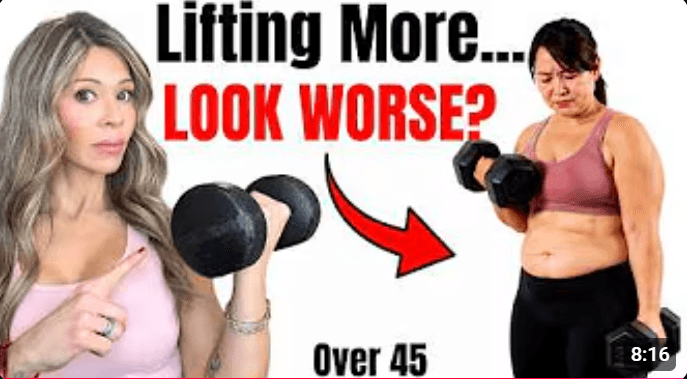
That is when I made a radical pivot: I stopped focusing on "gym strength" and started focusing on "length strength."
What Is "Length Strength" (and Why Do You Need It)?
Just because you are building bigger muscles at the gym does not mean you are building functional muscles.
Traditional gym workouts usually train your body in single-plane, short-range movements. Over time, this compresses joints, tightens connective tissue (fascia), and locks your posture into rigid patterns.
Length Strength, on the other hand, trains your body under tension in extended positions. It focuses on:
Spirals, Arcs, and Angles: Life doesn't happen in a straight line up and down. Life happens in rotations—reaching, twisting, turning, and carrying.
Fascial Hydration: Loading muscles in lengthened states increases blood flow, micro-circulation, and collagen production, leading to smoother, firmer-looking skin.
Rotational Power: Utilizing tools like a landmine attachment allows you to build core and full-body stability through natural rotational vectors.
Single-Leg Balance & Coordination: Exercises like elevated step-ups build functional hip stability and anti-aging balance that translate directly into real-life capability.
Investing in Proactive Health vs. Reactive Repairs
A common question I receive is why I invest in various functional home equipment, like resistance systems, landmines, and step benches.
After 20 years in health and esthetics, I’ve learned one simple truth: We all pay for our health in one way or another.
We can either invest proactively in tools, micro-habits, and smart movement patterns that keep our bodies capable... or we pay reactively later in doctor appointments, physical therapy, chiropractors, massages, and surgeries.
When you train your body as a unified system—combining 10-minute strategic sessions with daily "movement sprinkles"—you stimulate continuous circulation without elevating stress hormones or tearing down your joints.
Ready to Transform the Way You Move?
If what you are doing right now isn't giving you the energy, mobility, and skin firmness you deserve, it is time to try a new approach:
🏋️♀️ Join the Sculpt & Glow Membership:
Gain instant access to my Longevity Lab, weekly follow-along workouts, fascia routines, and esthetician skin protocols designed specifically for women over 40.
🛠️ Build Your Functional Home Setup:
Recreate the exact rotational setups, step-up protocols, and fascia resistance routines I use at home.
About the Author
Jen O'Connor is a licensed esthetician, certified personal trainer, and nutritionist with over two decades of dedicated experience helping women navigate the hormonal, physical, and aesthetic changes of life after 40. Through her signature programs and the Firm Over Forty platform, she merges cutting-edge fascia training with clinical skin restoration to help women build bodies that feel as vibrant as they look.